

Embracing Maturity and Finding Beauty in Growing Older.

Ageing can feel like a negotiation with time. The body changes, the mirror tells new stories, and the world often acts as if youth is the measure of worth. Yet growing older can also bring a quieter kind of beauty, one shaped by self-knowledge, tenderness, humour, and the courage to live with fewer masks.
Maturity is not a single age or a finish line. It is the slow work of becoming more honest. It is learning what matters, releasing what never did, and meeting life with more depth than speed. Some people arrive there early through hardship. Others grow into it slowly through love, loss, repair, and ordinary days.
To embrace growing older is not to deny grief, change, or struggle. It is to make room for the whole truth. Years take things from us, but they also give. They give perspective. They give discernment. They give the grounded beauty of a person who has lived, learned, and kept their heart open.

Maturity teaches us to see ourselves more clearly
One of the gifts of age is a better relationship with truth and authenticity. In youth, identity can feel like something to prove. There is pressure to be impressive, attractive, successful, interesting, easy to love, or untouched by failure. Many people spend years asking, even silently, “Am I enough?”
With maturity, the question often changes. We begin to ask, “What is actually mine to live?”
That shift is powerful. It moves life away from performance and toward presence. The opinions of others may still matter, but they stop running the whole house. A person starts to notice which parts of life feel nourishing and which feel false.
This clarity can show up in small choices:
Choosing rest without treating it as laziness
Saying no without building a legal defence around it
Wearing what feels comfortable and true
Admitting disappointment without shame
Letting joy be simple and unannounced
Maturity does not mean becoming unshakable. It means becoming less willing to abandon oneself for approval. There is beauty in that steadiness. It may not be flashy, but it can be deeply attractive because it feels real.
A younger self may have chased certainty. An older self often learns to live with nuance. People grow contradictory, complex, and layered. We learn that we can be grateful and tired, strong and tender, brave and afraid. That inner roominess is part of growing into ourselves.
The body changes, and so can the way we honour it
Much of the fear around aging lives in the body. Gray hair, softer skin, slower recovery, changing energy, new lines around the eyes, these shifts can feel personal even when they are universal. A culture obsessed with staying young can make every sign of age feel like a problem to solve.
But the body is not failing because it changes. Change is what bodies do.
A mature relationship with the body begins with respect. This body has carried grief. It has healed from illness, held loved ones, walked through workdays, cooked meals, cried in bathrooms, laughed at tables, and woken up again after nights that felt too heavy. It has been a home, even when it did not feel like one.
Respect does not mean giving up on care. In many ways, care becomes more meaningful with age. Movement, sleep, nourishing food, medical checkups, touch, sunlight, and comfort all matter. The difference is the motive. Care rooted in punishment feels harsh. Care rooted in gratitude feels sustainable.
There is a quiet dignity in dressing for the body one has now, not the body one is mourning. There is freedom in choosing a haircut, a pace, a routine, or a form of movement because it supports life rather than fights time.
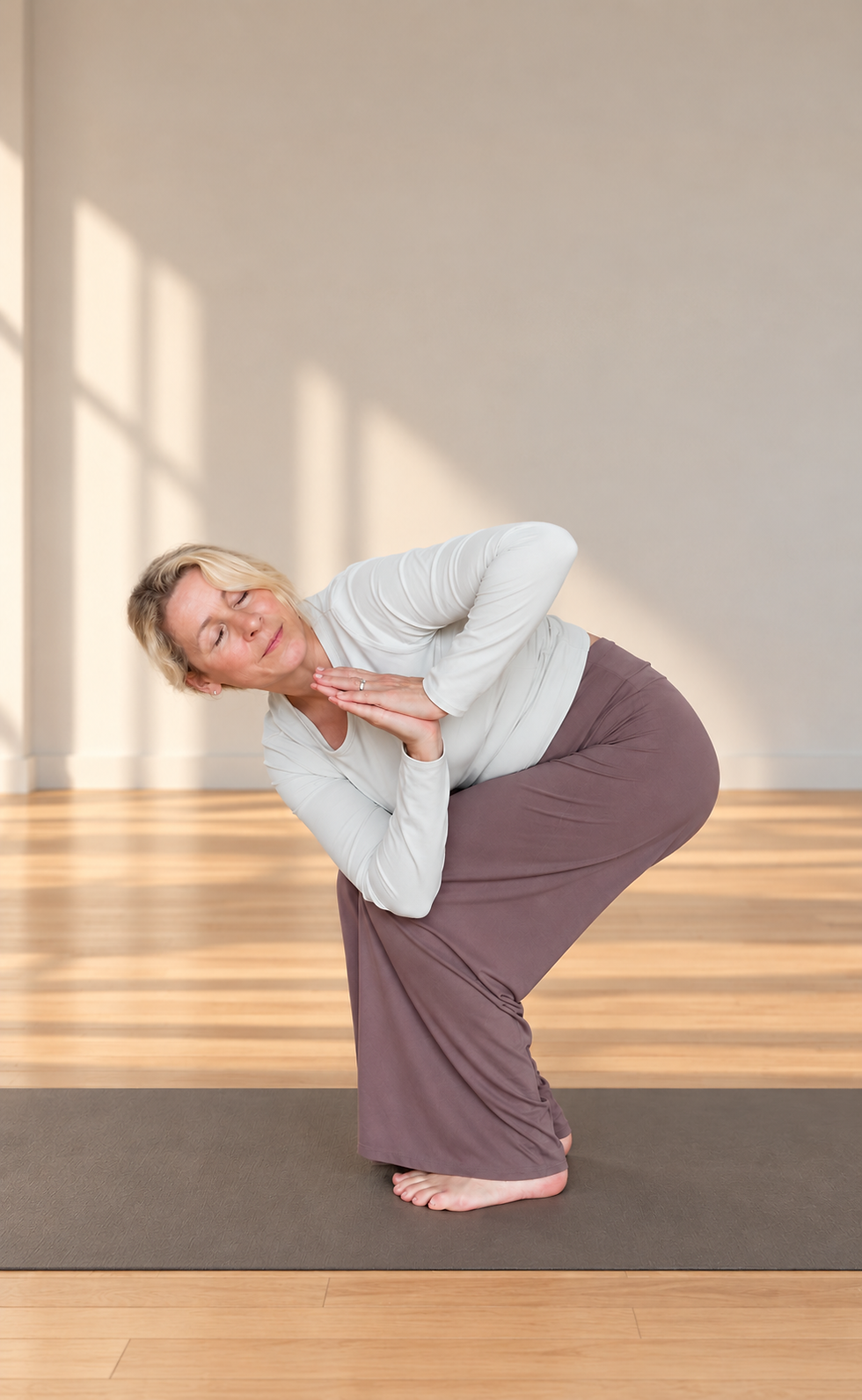
The goal is not to look untouched by age. The goal is to look inhabited.
Lines on a face can be read as loss, but they can also be read as evidence. Evidence of expression. Evidence of emotion. Evidence of years spent reacting to beauty, worry, surprise, and delight. A face that has moved through life carries a kind of truth no smooth surface can imitate.
Growing older can make relationships more honest
Age has a way of clarifying relationships. At some point, many people lose patience for connections built only on habit, performance, or obligation. Time starts to feel more finite, which can make love feel more precious and false intimacy more exhausting.
This does not mean maturity makes a person cold. Often, it makes a person more loving, but less available for confusion. There is a difference between having a guarded heart and having a wise one.
With maturity, friendship may become less about quantity and more about safety. A few honest relationships can mean more than a crowded calendar. The people who matter are often the ones who allow silence, tell the truth kindly, celebrate without envy, and stay human during conflict.
Family relationships can also shift. Some soften with time. Some require firmer boundaries. Some ask for forgiveness, while others ask for distance. Growing older may bring the painful understanding that love and access are not always the same thing.
That understanding can be freeing. It allows people to care without disappearing into other people’s needs. It allows compassion without self-betrayal. It allows repair where repair is possible and acceptance where it is not.
Maturity also deepens the way we love. A younger love may focus on being chosen. An older love often asks, “Can we be kind to each other in real life?” Real life includes stress, bodies, bills, illness, boredom, mistakes, and change. Beauty grows in love that can meet those ordinary tests.
Experience turns pain into wisdom when we let it
Growing older does not automatically make a person wise. Time alone is not enough. Some people repeat the same wounds for decades. Wisdom grows when experience is met with reflection.
Pain can harden a person, but it can also deepen them. The difference often lies in what we do after the pain. Do we build walls so high that nothing tender can reach us? Do we turn every disappointment into proof that life is unsafe? Or do we let pain teach us without letting it define the whole story?
Maturity often asks for a slower response. Not every feeling needs to become a decision. Not every insult needs an answer. Not every ending means failure. With age, many people learn the difference between urgency and importance.
That kind of wisdom sounds simple, but it changes daily life. It helps a person pause before reacting. It helps them apologize more quickly and defend less fiercely. It helps them notice patterns, including their own. It helps them say, “I have been here before, and I can choose differently.”
Some of the most beautiful older people are not those who escaped hardship. They are the ones who stayed open after hardship. They have a softness that was chosen, not inherited. They know what life can take, yet they still make dinner, call a friend, plant flowers, tell jokes, and notice the moon.
That is not naïve. That is strength with roots.
Beauty in maturity is often quieter, but it lasts longer
Youth has its own beauty, and it deserves no resentment. It is bright, possible, and alive with firsts. But maturity has a beauty that does not depend as much on novelty. It comes from depth.
The beauty of maturity may look like:
A calm face in a tense room
A person who no longer competes with everyone
The ability to listen without immediately correcting
A home filled with objects that carry memory
A laugh that arrives from the whole body
A clear no and a generous yes
The courage to begin again after loss
This beauty may not always be celebrated loudly. It often resists measurement. It does not fit easily into before-and-after photos or quick praise. Yet it is the kind of beauty people feel in the presence of someone grounded.
A mature person often carries themselves differently. They do not need to fill every silence. They can enjoy being alone without feeling abandoned. They can take pleasure in small rituals, morning coffee, clean sheets, a familiar walk, a book reread, a song from another decade.
These pleasures are not small because they are ordinary. They are rich because maturity teaches attention. After enough years, one learns that life is not made only of milestones. Much of life happens between them.
To notice that is to reclaim beauty from spectacle.
We grow into ourselves by releasing old versions gently
One hard part of aging is that it asks us to release former selves. The younger body. The earlier dream. The role that once gave identity. The relationship that ended. The home that changed. The parent we used to be. The child we no longer are.
These losses deserve tenderness. It is possible to be grateful for growth and still grieve what time has altered. Acceptance does not require pretending everything feels easy.
A helpful practice is to honor former selves without letting them rule the present. The younger self who wanted approval may have been trying to survive. The ambitious self may have been reaching for safety. The guarded self may have been protecting old wounds. Those selves do not need contempt. They need acknowledgment.
Then comes the harder work of asking, “Who am I now?”
That question can be unsettling, but it can also be liberating. A person may discover they enjoy quiet after years of chasing noise. They may realize they want deeper friendships, not more acquaintances. They may return to art, faith, nature, learning, or play. They may become bolder because they have less interest in wasting time.
Growth in later life is not a consolation prize. People begin again in their 40s, 50s, 60s, 70s, and beyond. They fall in love, move homes, repair relationships, study new subjects, change beliefs, build strength, and discover parts of themselves that had been waiting beneath duty or fear.
There is no age at which becoming fully human expires.
A few gentle ways to practice embracing age
Embracing maturity is not a single decision made once. It is a practice. Some days it may feel natural. Other days the mirror, a memory, or a new limitation may stir sadness. That is part of it.
The following practices can help make aging feel less like a loss of self and more like a return to self.
Speak to the body with less hostility
Notice the casual cruelty that can become routine. “I look old.” “I hate this.” “Everything is falling apart.” These phrases may feel harmless, but they train the mind to treat aging as disgrace.
Try language that is more honest and less violent. “My body is changing.” “I am learning how to care for myself now.” “This face has lived.” The words may feel awkward at first. Over time, they can make room for peace.
Keep choosing curiosity
Curiosity keeps the spirit flexible. Learn a recipe. Listen to a new kind of music. Go back to education, I am grateful to be studying my MSc in Positive Psychology and it is my aim to support women mid life to flourish, blossom and thrive after many changes or events. Read about a place you have never been. Curiosity reminds the mind that aging does not mean closing. I am 55 years old and I am learning French. I have always had a Fascination with the language and my grandfather taught himself to speak fluent french (One of our ancestors was historically a French Sea Captain). Being curious supports your mind to be open, marvel at new things and embrace new knowledge.
In another note, t also softens fear. A curious person can meet change with interest, not only resistance.
Let photographs tell the whole story

Many people avoid being photographed as they age. They wait until they lose weight, look rested, or feel more like an earlier version of themselves. The risk is that whole seasons go undocumented.
A photograph is not only a record of appearance. It is proof of presence. It says, “I was here. I loved these people. I lived this day.” Let the record include the real face, the real body, the real smile.
Build rituals that honour the present
Rituals give shape to time. They do not need to be elaborate. A morning stretch, Sunday soup, an evening walk, a candle at dinner, a weekly call, a few lines in a journal, these acts can help a person feel rooted.
Rituals also teach the nervous system that life still contains rhythm and care, even in uncertain seasons.
The beauty of growing older is the beauty of becoming real

Growing older is not only a biological fact. It is an invitation to become more truthful, more discerning, and more at home in one’s own life. The beauty of maturity does not erase loss, but it gives loss a wider frame. It says life can still be meaningful after change. It says the self can keep unfolding.
The years will leave marks. Some will be visible. Others will live in the way a person listens, forgives, chooses, rests, and loves. Those marks are not proof that beauty has ended. They are part of beauty’s deeper form.
To grow older with grace is not to stay the same. It is to keep meeting life honestly. It is to gather what the years have taught and use it to become kinder, clearer, and more fully present.
The mirror may change, but so can the gaze. And sometimes the greatest beauty of maturity begins when we finally learn to look at ourselves with recognition instead of resistance.


Comments