

September Wellbeing Tips for a Healthier, Happier Month

Updated: Sep 7
September can feel like a second January. The pace changes, routines restart, daylight begins to shift, and the easy looseness of summer gives way to fuller calendars. That can be energising, but it can also leave the body and mind playing catch-up.
The good news is that wellbeing in September does not need a full life reset. Small, steady choices can make the month feel calmer, healthier, and more enjoyable. Think of September as a chance to return to rhythm, not to pressure yourself into perfection.
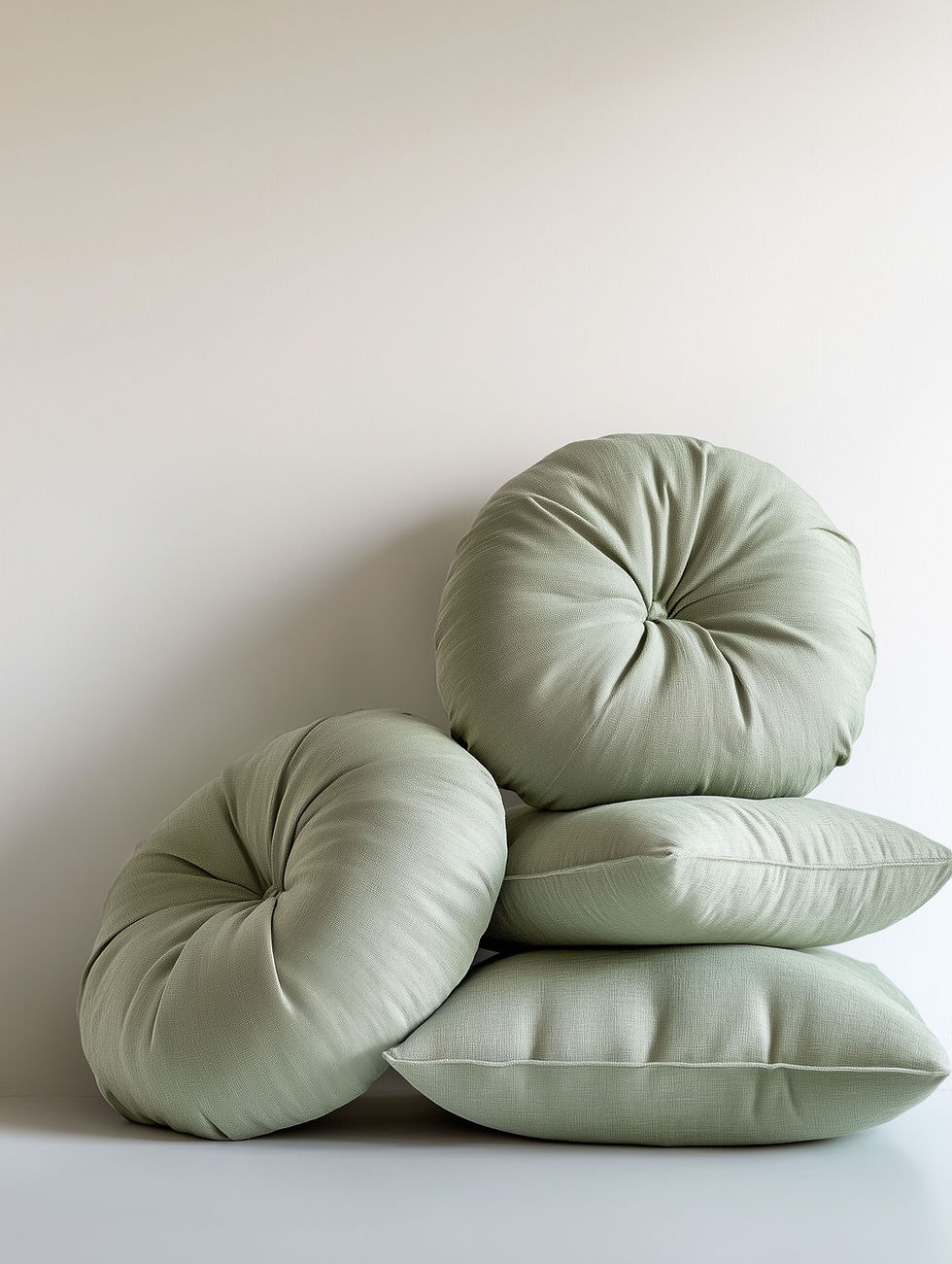
I ran my first yoga in person class today, the photo below encapsulates a beautiful September morning. This guide offers practical ways to care for sleep, food, movement, mental energy, and connection through the month. It is informational only and is not a substitute for medical advice. If low mood, anxiety, fatigue, or sleep problems persist, speak with a qualified health professional.

Ease into a routine instead of forcing a reset
September often brings a strong urge to get organised. That can help, but an all-or-nothing routine usually collapses by the second busy week. A better approach is to choose a few habits that make daily life easier and repeat them often enough that they become familiar.
Start with the parts of the day that carry the most weight.
For many people, that means mornings and evenings. A rushed morning can create tension that follows you for hours. A scattered evening can make sleep harder and leave the next day feeling messy before it begins.
A simple September routine might include:
Waking up at a consistent time on most days
Getting daylight early, even for a few minutes
Drinking water before caffeine
Setting out clothes, bags, or breakfast items the night before
Choosing one clear priority for the day
The goal is not to control every minute. The goal is to remove small points of friction.
If mornings feel chaotic, build a minimum routine that works even on difficult days. That might be brushing your teeth, drinking a glass of water, opening a window, and stepping outside for two minutes. It may sound too basic, but basic habits are often the ones that survive real life.
Evenings deserve the same care. September schedules can fill up quickly, especially with school terms, work cycles, community events, or home projects. Give the day a clear landing.
Try a short evening pattern:
Tidy one small area for five minutes.
Write down anything you do not want to forget.
Put your phone away from the bed.
Do something quiet, such as reading, stretching, or listening to calm music.
A routine should support your life, not shrink it. If it starts to feel like another performance, simplify it.
Protect sleep as daylight and schedules change
Sleep is one of the first things to suffer during seasonal transitions. Later summer nights, earlier starts, and busier days can pull sleep in different directions. September is a good time to give sleep more structure without becoming rigid.
The body responds well to cues. Light, temperature, movement, meals, and screen use all send signals about when to feel alert and when to wind down.
Morning light is especially useful. Getting outside soon after waking can help your body recognize that the day has started. It does not need to be a long walk. Standing by the door with tea, walking around the block, or sitting near a bright window can help.
At night, the opposite matters. Dim the environment where possible. Bright lights and constant scrolling can make your brain feel as if the day is still active. A calmer sleep routine does not have to be elaborate. It just needs to repeat.
Good September sleep habits include:
Keeping wake-up time fairly steady
Avoiding heavy meals right before bed when possible
Cutting late caffeine if it affects sleep
Keeping the bedroom cool and comfortable
Using the bed mostly for sleep and rest
Giving yourself a screen break before bedtime
Do not turn sleep into another source of stress. Some nights will be short. Some will be interrupted. If that happens, return to the pattern the next day instead of trying to “make up” for it with extreme changes.
Better sleep often starts with one repeatable cue, not a perfect bedtime routine.
If thoughts race at night, keep a notepad nearby. Write down worries, tasks, or reminders, then tell yourself they have been parked for tomorrow. This simple act can reduce the feeling that your brain has to hold everything at once.
Eat in a way that steadies your energy
September can bring a return to packed lunches, quicker dinners, and more eating on the move. Food does not need to be perfect to support wellbeing. It needs to be regular, satisfying, and realistic.
A useful aim is to build meals that steady energy. That often means including protein, fiber-rich carbohydrates, healthy fats, and color from fruits or vegetables. This combination can help meals feel more filling and reduce the urge to graze without thinking.
Simple September meal ideas include:
Oats with yogurt, fruit, nuts, or seeds
Eggs or tofu with toast and tomatoes
Soup with beans, lentils, or chicken
Grain bowls with roasted vegetables and hummus
Pasta with vegetables and a protein source
Baked potatoes with tuna, beans, cottage cheese, or chili
Stir-fried vegetables with rice and tofu, eggs, fish, or chicken
Seasonal produce can make eating well feel easier. Apples, pears, squash, carrots, greens, mushrooms, and late-season tomatoes can work in simple meals. Roasting a tray of vegetables once or twice a week gives you something useful for lunches, bowls, omelets, and sides.
Hydration also matters as routines change. People often remember to drink more water in hot weather, then forget once the air cools. Keep water visible. A bottle on the counter, in a bag, or beside your usual seat can act as a reminder.
If September means busier days, make a few backup meals part of your plan. These are not “failure meals.” They are part of taking care of yourself.
Good backup options include:
Frozen vegetables
Microwave rice or ready-cooked grains
Canned beans, lentils, or fish
Eggs
Soup
Wholegrain toast
Yogurt
Nut butter
Pre-washed salad
Fruit that travels well
The most helpful food plan is the one that works on a tired Wednesday, not only on a calm Sunday.
Move your body in ways that match the season
September is a great month for movement because the weather often feels more forgiving. It can be cooler than summer but not yet deep winter. That makes it a good time to shift from intense goals to consistent movement.
Movement supports physical health, but it also helps mood, sleep, focus, and stress. It does not need to look like a formal workout. Walking to an errand, cycling, gardening, dancing in the kitchen, stretching after a shower, and playing outside all count.
The key is to lower the barrier.
If movement has slipped over summer, begin with short sessions. Ten minutes is enough to restart the habit. Once moving feels normal again, you can build from there.
Try these gentle ways to add movement in September:
Take a short walk after lunch or dinner.
Stretch for five minutes before bed.
Use stairs when it feels manageable.
Plan one outdoor activity each weekend.
Do a short strength routine twice a week.
Walk while making a phone call.
Put music on while doing household chores.
Strength work matters too, especially as daily life becomes more seated. You do not need a gym to begin. Squats to a chair, wall push-ups, step-ups, and light resistance bands can all build strength. Start gently and pay attention to form.
Outdoor movement offers an extra benefit. It gives you daylight, fresh air, and a chance to notice the seasonal shift. A walk under changing trees can feel different from a walk on a treadmill, even if both are useful.
If motivation is low, pair movement with something you already enjoy. Listen to an audiobook, walk with a neighbour, choose a scenic route, or stretch while watching a familiar show. Enjoyment is not a bonus. It helps habits last.
Care for your mind before stress piles up
September can carry a hidden mental load. Plans restart, inboxes fill, school calendars appear, and the mind starts tracking more details. Waiting until stress becomes overwhelming makes it harder to respond well. Small mental health supports work best when they happen early.
Begin by reducing avoidable noise. That might mean clearing old reminders, unsubscribing from emails you never read, or choosing set times to check messages. A calmer environment can reduce the number of tiny decisions you make each day.
A weekly reset can also help. Choose one short time each week to look ahead. Keep it simple.
Ask yourself:
What appointments, deadlines, or events are coming up?
What meals or groceries would make the week easier?
What needs to be prepared the night before?
Where do I need rest, not more effort?
What can wait?
This kind of planning is not about packing more into the week. It is about seeing what is real, then making space for it.
Mood can also shift with less daylight. Some people feel this strongly. If you notice a pattern of low mood, low energy, oversleeping, or loss of interest as autumn approaches, take it seriously. Gentle habits may help, but persistent symptoms deserve professional support.
Daily emotional care can be simple:
Step outside in the morning.
Name how you feel without judging it.
Limit doom-scrolling.
Spend time with someone who feels safe.
Do one task that gives a sense of progress.
Make time for quiet before the day ends.
Journaling can help if your thoughts feel tangled. You do not need to write pages. Try three lines:
What is taking energy today?
What is one thing I can do next?
What can I let be imperfect?
That last question matters. September often comes with pressure to be productive. Yet wellbeing grows through recovery as much as effort. Build in real pauses. A quiet cup of tea, a bath, a slow walk, or ten minutes with no input can reset the nervous system more than another completed task.
Reconnect with people and places that make life feel fuller
Wellbeing is not only personal habits. It also comes from connection, belonging, and time spent in places that feel good. September can be a good month to rebuild those connections after summer travel, childcare changes, or scattered schedules.
Start small. Send one message. Invite someone for a walk. Plan a simple meal. Join a class, group, or local activity if that feels appealing. Connection does not have to be constant to be meaningful.
Shared routines can be especially comforting in September. A weekly coffee, a Saturday walk, a family dinner, or a phone call at the same time each week gives life a gentle structure.
Nature can play a role too. Parks, gardens, riversides, beaches, trails, and tree-lined streets all offer a sense of place. Spending time outdoors can help the month feel less like a rush back into obligations and more like a season worth noticing.
Try making a September list with a mix of care and pleasure:
Cook one warming meal
Clear one drawer or shelf
Buy apples or pears
Plan a slower Sunday
Take one golden-hour walk
Call someone you miss
Visit a park or local trail
Read outside with a blanket
Small pleasures are not trivial. They help mark time. They give the month texture. They remind you that wellbeing is not only about preventing burnout, but also about enjoying your life.
Make September feel supportive rather than demanding
The best September wellbeing tips are the ones you can repeat. Choose a few supports that fit your life now, not an ideal version of it. Get morning light. Protect sleep. Eat steady meals. Move in ways you enjoy. Plan just enough to reduce stress. Make time for people and places that restore you.
If the month feels heavy, narrow the focus. Pick one habit for your body, one for your mind, and one for your environment.
For example:
Body Take a ten-minute walk after lunch.
Mind Write down tomorrow’s main task before bed.
Environment Prepare breakfast or your bag the night before.
That is enough to begin.
September does not need to be a dramatic fresh start. It can be a quieter return to what helps you feel well. Let the month be steady, flexible, and kind. Then build from there.
Bloom from Within | Calme Wellbeing


Comments